
Rubber Fetish
Also called rubber kink, rubberist, rubber sexuality, rubber gear fetish.
A rubber fetish is a strong attraction to rubber and latex clothing and gear: the mirror shine, the smell, the tight second-skin compression, and the sense of transformation that comes from being fully encased. Rubberists are a long-established community with their own events and culture. This guide covers what draws people to rubber, how it differs from latex, the heat and allergy safety that matters, and how to care for gear.
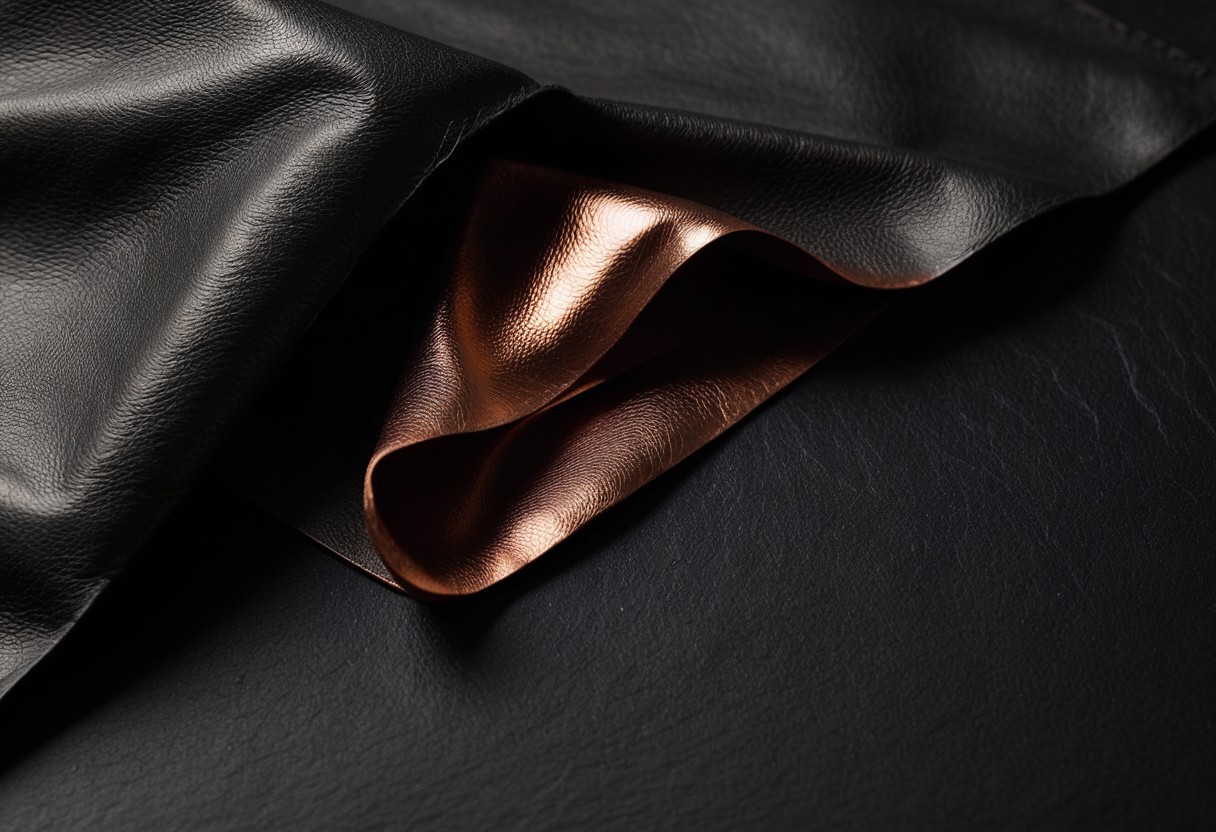
What a rubber fetish is
A rubber fetish (the people who share it often call themselves rubberists) is an erotic focus on rubber and latex as a material: catsuits, hoods, gloves, stockings, boots, harnesses, and full encasement. The appeal is sensory as much as visual. Rubber is tight, warm, smells distinctive, squeaks and shines, and turns a body into a smooth, anonymous, glossy shape. For some people wearing it is the point; for others it is watching a partner in it; for many it is both.
"Rubber" and "latex" are used almost interchangeably in fetish culture. Technically, latex is the natural material and most fetish garments are made from it; "rubber" is the older, broader word and the one the community tends to use for itself. The rubber scene has deep roots in gay leather and fetish culture from the mid-20th century onward, and today spans every gender and orientation with major events across Europe and North America.
Why people are into it
Compression is a big part of it. A well-fitted rubber garment presses evenly on the whole body, which many people find calming and grounding, similar to a weighted blanket, while heightening every touch through the material. Heat builds inside rubber quickly, and the warmth, sweat, and slight breathlessness of encasement are part of the sensation for many rubberists.
Then there is transformation. In a catsuit and hood, a person becomes a shape rather than an individual: anonymous, objectified, doll-like or alien depending on taste. That fits naturally with objectification play, sensory deprivation, and D/s. Finally there is the pure aesthetic: rubber shines like nothing else, and polished black or coloured latex on a body is a striking image that many people find arousing on sight.
- Compression: even pressure over the whole body, grounding and intensifying.
- Heat, sweat, and the slight breathlessness of encasement.
- Transformation and anonymity: becoming a glossy shape, not a person.
- The smell and sound of rubber, both strongly associative.
- Visual: shine, tightness, and the classic fetish silhouette.
Common forms
- Wearing rubber garments: catsuits, leggings, stockings, gloves, hoods, and dresses.
- Full encasement, sometimes with hoods that limit sight, sound, or breath.
- Admiring a partner in rubber, or dressing them in it as a scene.
- Rubber combined with bondage, sensory deprivation, or objectification play.
- Heavy rubber: thick gauge material, gas masks, inflatable suits, and sleepsacks.
- Community: rubber nights, fetish balls, and rubberist social groups.
Rubber vs latex vs PVC
Latex is the natural rubber material almost all fetish garments are made from; sheet latex is glued into garments, moulded latex is seamless and thicker. "Rubber" in fetish usage means the same thing, with a cultural lean toward heavier gauges and full-body gear. PVC (vinyl) is a plastic that looks shiny but does not stretch, breathe, or compress the way latex does, and is the usual choice for people with latex allergies or on a budget. Gauge (thickness) matters: 0.4mm is standard for catsuits, 0.6 to 0.8mm for heavy rubber, and thinner for gloves and stockings.
- Latex: natural rubber, stretchy, compressive, the fetish standard.
- Rubber: the community's word for latex gear, often heavier.
- PVC: shiny plastic, no stretch or compression, allergy-safe alternative.
- Gauge: 0.4mm standard, 0.6mm+ heavy, thinner for gloves and hosiery.
Consent & safety
Heat is the main physical risk. Rubber does not breathe, so body temperature and dehydration climb fast, especially in full suits, at crowded events, or under lights. Drink water before and during, take breaks, and know the signs of overheating: dizziness, nausea, confusion, stopping sweating. Hoods that cover the mouth and nose are breath play; use them only with breathing holes, a partner watching, and a signal that works without speech.
Latex allergy is real and can escalate from mild irritation to anaphylaxis with repeated exposure. If you get itching, hives, or swelling from latex, stop using it and see a doctor; PVC and silicone gear are the alternatives. Keep oil-based products (most lubricants and lotions) away from latex, which they degrade, and use silicone or water-based lube, talc, or a dedicated latex dressing aid. Never leave a bound, hooded, or encased person alone.
- Hydrate, take breaks, watch for overheating.
- Hoods over the face are breath play; holes, a watcher, a hands-free signal.
- Latex allergy escalates; itching or hives mean stop and get checked.
- No oil on latex: silicone or water-based lube, talc or dressing aid.
- Never leave an encased or bound person alone.
Caring for rubber gear
Latex is expensive and fragile. Wash after each wear in lukewarm water with a mild soap, rinse, hang to dry away from sunlight, and dust with talc or treat with a silicone-based latex shine before storing. Store flat or hung on padded hangers in a dark, cool place, away from metal (which stains latex) and away from any oil. Dress with talc or a dressing aid so the material slides on without tearing, and keep nails short. A small tear can be repaired with latex glue, but a garment that has gone sticky or stiff has perished and cannot be saved.
- Wash lukewarm with mild soap, rinse, hang dry out of sunlight.
- Talc or silicone shine before storage; dark, cool, no metal, no oil.
- Dress with talc or a dressing aid; short nails.
- Repair small tears with latex glue; sticky or stiff latex has perished.
Exploring it responsibly
Start with a single, affordable piece, often gloves or stockings, to learn whether the feel and smell work for you before committing to a catsuit, which is a significant purchase and needs careful sizing. Rubber nights and fetish events are welcoming to newcomers in basic gear, and they are the best way to see the range of what rubber can be. If encasement and sensory deprivation appeal, add hoods and heavier gear gradually, with a partner present.
SafeHaven's entries on latex fetish, leather fetish, sensory deprivation, and hoods cover adjacent ground. The SafeHaven network lets you list rubber as an interest, join rubberist groups, and find partners and events, with real search and no algorithm.
Frequently asked questions
Is there a difference between a rubber fetish and a latex fetish?
Mostly cultural. Latex is the material nearly all fetish garments are made from; "rubber" is the older, broader word the rubberist community tends to use, often with a lean toward heavier gear and full encasement. Most people use them interchangeably.
Is wearing rubber dangerous?
It is safe with sensible precautions. The main risks are overheating and dehydration, since rubber does not breathe, and breath restriction from hoods. Hydrate, take breaks, use breathing holes, and never leave an encased person alone.
What if I have a latex allergy?
Stop using latex; the allergy can escalate with repeated exposure. PVC, vinyl, and silicone gear give a similar look and are allergy-safe. See a doctor if you have had hives, swelling, or breathing difficulty.
How do I care for rubber garments?
Wash in lukewarm water with mild soap after each wear, hang dry away from sunlight, dust with talc or treat with silicone shine, and store in a cool dark place away from metal and oil. Dress with talc or a dressing aid to avoid tears.
Why do people like rubber?
The compression, the heat, the smell, the shine, and the transformation of becoming an anonymous glossy shape. For many rubberists the sensation of being fully encased is calming and intensely erotic at the same time.
What lube is safe with latex?
Silicone-based or water-based. Oil-based lubricants and most lotions degrade latex and will ruin gear. Use talc or a purpose-made latex dressing aid to put garments on.
How thick should latex be for a first catsuit?
0.4mm is the standard gauge and the best starting point: stretchy, comfortable, and durable. Heavier gauges (0.6mm and up) are for people who specifically want the weight and compression of heavy rubber.
Make an image of Rubber Fetish
Describe the scene, we turn it into a photoreal image. Yours to keep, post, or share.
Curious how Rubber Fetish fits you?
Take the free Kink Test — scored across 35 archetypes with an inclusive, consent-first lens. No login, no email. Just answer honestly and see where you land.
18+ only. Private by default.
Related terms
Explore Rubber Fetish with people who get it.
SafeHaven is a private, consent-first kink & BDSM social network. Founding members get free lifetime membership — before paid tiers ever land. Come as you are, stay forever.
100 founding seats — free lifetime membership
18+ only. No passwords, ever.